-
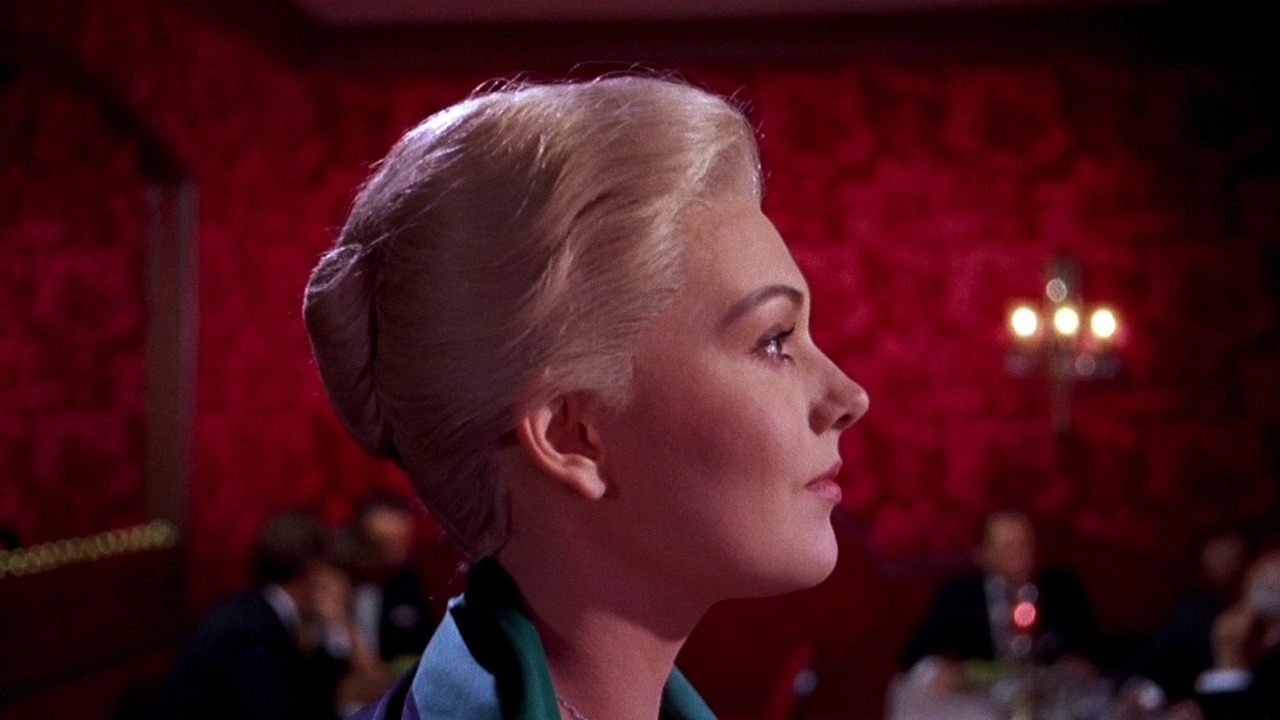
Vertigo (1958): The Camera That Was Also Scottie
Hitchcock made a film about a man who destroys a woman by remaking her in the image of his obsession. He did not notice that his camera was doing the same thing. I turn. She is standing in the light from the window, the green neon of the hotel sign bleeding through the curtain, and…
-
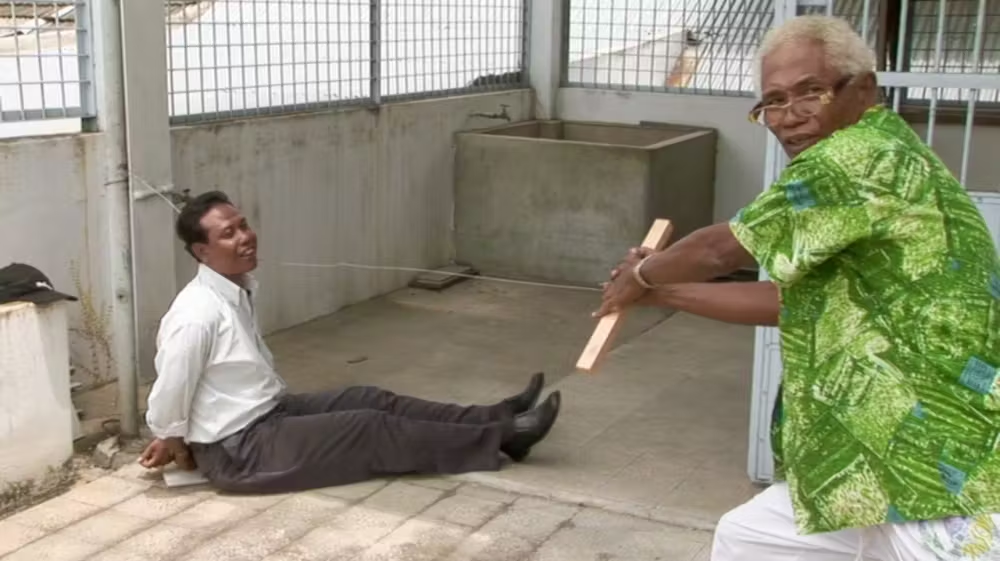
The Act of Killing (2012): The Most Appreciative Audience He Ever Had
Joshua Oppenheimer gave perpetrators a camera and waited for performance to produce conscience. He did not notice what it produced first. We open on a waterfall. Two giant fish emerge from the rocks — men in fish costumes, shimmering, surreal — and a woman in gold descends from a platform in the cascade. A man…
-

Shoah (1985): The Man Who Came Back to Sing
Claude Lanzmann’s Shoah (1985) is a nine-hour documentary that refrains from using archival footage, focusing instead on interviews with Holocaust survivors and witnesses. It explores the ethics of testimony and representation, highlighting the emotional burden of memory. The film prompts reflection on the responsibilities of both the witness and the filmmaker.
-
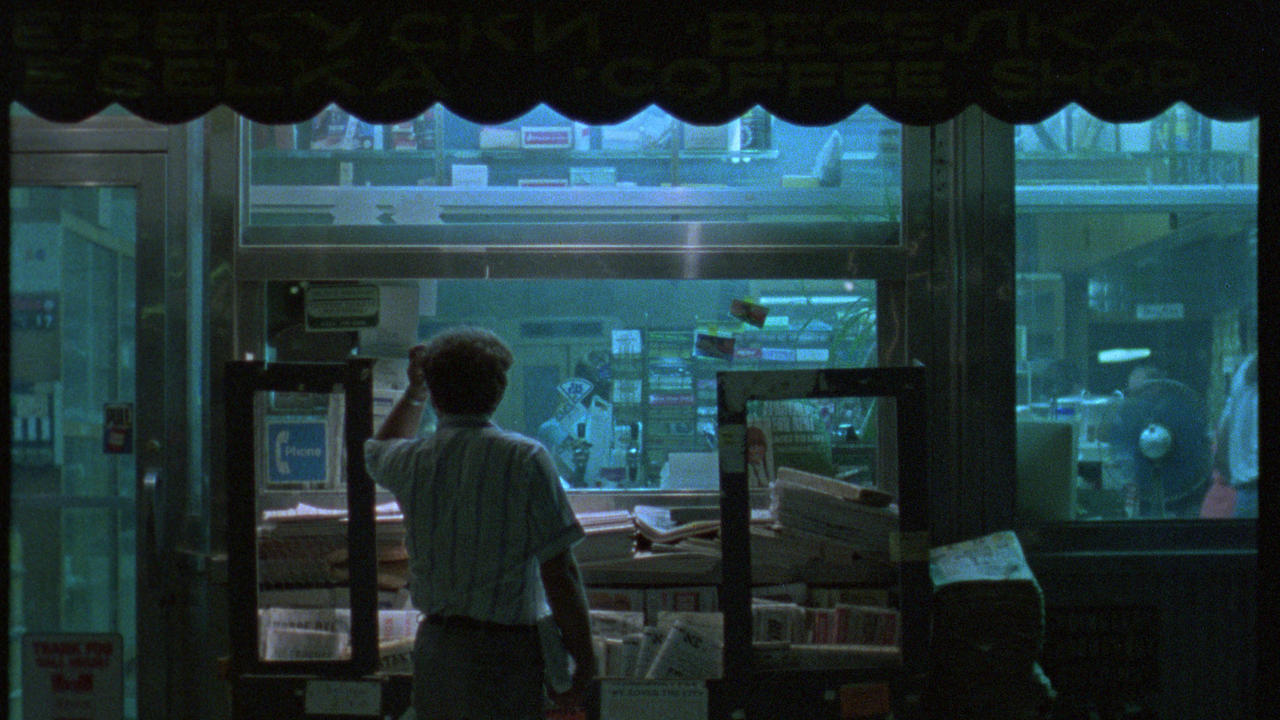
News from Home (1977): The Film That Is Her Reply
Chantal Akerman’s film “News from Home” juxtaposes her mother’s letters with scenes of 1970s New York, revealing a poignant relationship shaped by distance and absence. Over 88 minutes, Akerman’s flat reading of her mother’s anxious words highlights the emotional disconnect, offering a unique cinematic reply to her mother’s longing for connection.
-

Hiroshima Mon Amour (1959): Dressing the Stage
Hiroshima Mon Amour explores the intersection of personal grief and public tragedy through a French woman’s memories of Hiroshima and her past in Nevers. Despite its aim to equate these experiences, the film structurally favors her narrative, relegating the Japanese man’s history to a mere backdrop. Ultimately, Resnais’s project reveals the challenge of representing dual…