-

The Morning That Belongs to No One
Umberto D. portrays the life of a retired civil servant in postwar Rome, highlighting the struggle of invisibility and irrelevance in a modern city. The film focuses on Umberto’s mundane routine and his bond with his dog, Flike, capturing the fragile connection between existence and need. It prompts viewers to reconsider their awareness of those…
-

The Conformist (1970) — Dir. Bernardo Bertolucci
What if the most dangerous thing a person can want is to be normal? Not powerful. Not famous. Not loved in the way that songs describe. Just normal. Just the same as everyone else. Just invisible in the way that people who belong are invisible, the way a brick in a wall is invisible, the…
-
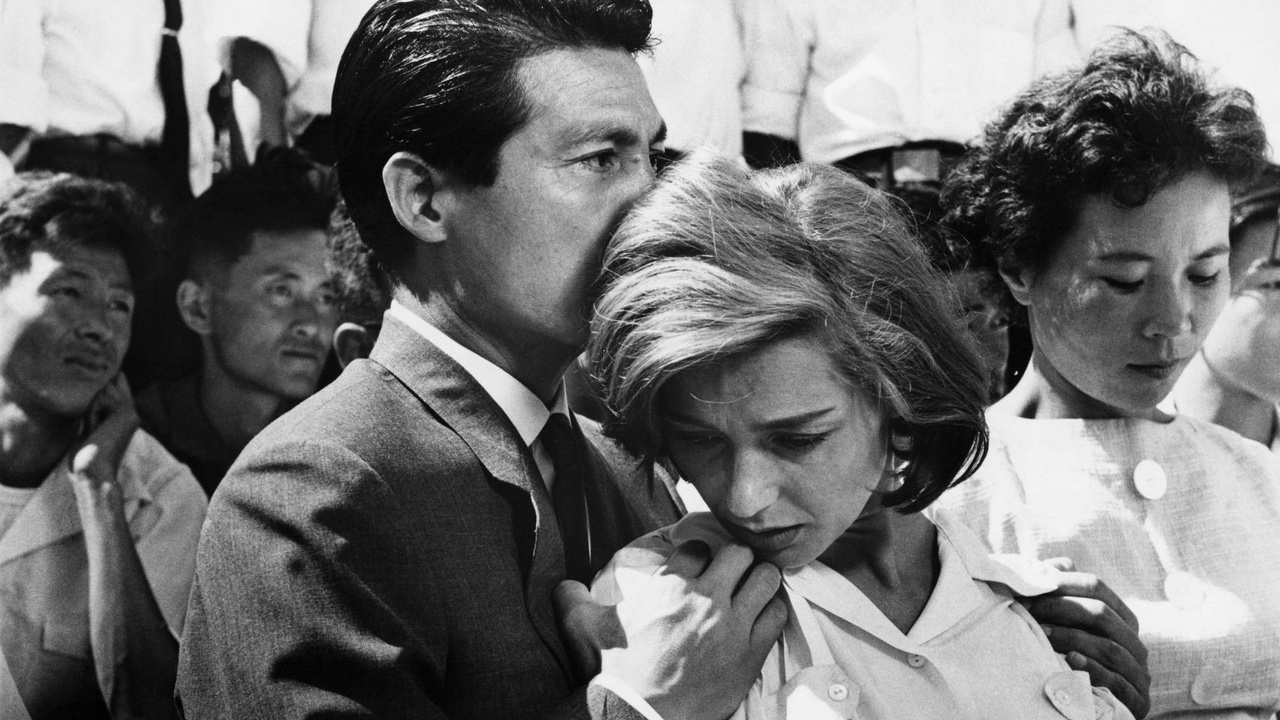
Hiroshima Mon Amour (1959) — Dir. Alain Resnais
She says: You saw nothing in Hiroshima. Nothing. He says: I saw everything. Everything. They are both right. They are both lying. And the entire film lives in the space between those two positions, a space that is also a bed, also a city, also a wound that will not stop being new. Alain Resnais…
-

Sátántangó (1994) — Dir. Béla Tarr
You will not finish this film in one sitting. Or you will, and you will not be the same body that pressed play. Seven hours and twelve minutes. Twelve chapters. A village in the Hungarian plain, somewhere after the collapse of everything, where the rain does not stop and the mud has claimed the ground…
-

Jeanne Dielman, 23, quai du Commerce, 1080 Bruxelles (1975) — Dir. Chantal Akerman
She makes the bed. She boils potatoes. She sets the table. She eats with her son. She washes the dishes. She turns off the lights. She goes to sleep. She wakes up. She makes the bed. She boils potatoes. This is the film. This is the whole film. For three hours and twenty-one minutes, you…